

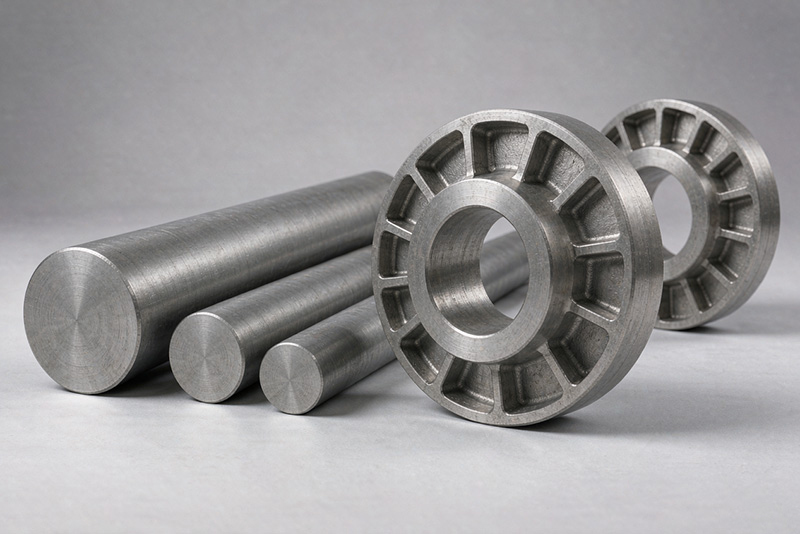
• TC6

    TC6

    Material Type: Martensitic α+β Two-Phase Heat-Resistant Titanium Alloy (β Stability Coefficient Kβ = 0.6)
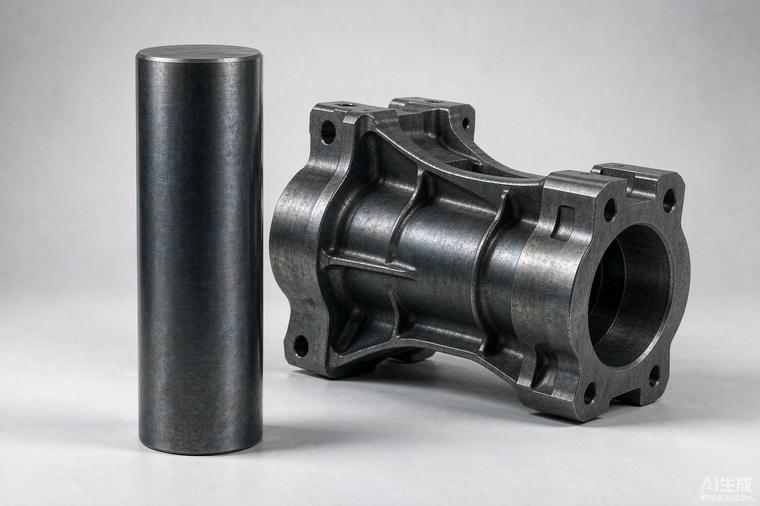
    Key Characteristics: Room-temperature strength is approximately 85 MPa higher than that of TC4. Suitable for long-term service at 400°C for over 6,000 hours and short-term service at 450°C for up to 2,000 hours, with superior creep resistance and stress-rupture properties compared with TC4. Excellent hot workability, with an elongation at fracture exceeding 900% at 900°C, demonstrating superplasticity and low deformation resistance. Can be welded using argon arc welding or electron beam welding. Resistant to seawater and atmospheric corrosion, but not resistant to hydrofluoric acid, concentrated hydrochloric acid, or sulfuric acid.

    Typical Applications: Aircraft engine compressor discs and blades, combustion chamber casings; high-temperature bolts, screws, and nuts operating at 400–450°C; medium-strength load-bearing structural components such as aircraft frames and joints; and medium-temperature corrosion-resistant components for chemical processing and marine applications.
  • TB6(Ti-10V-2Fe-3Al)

    TB6(Ti-10V-2Fe-3Al)

    Material Type: Near-β High-Strength Titanium Alloy
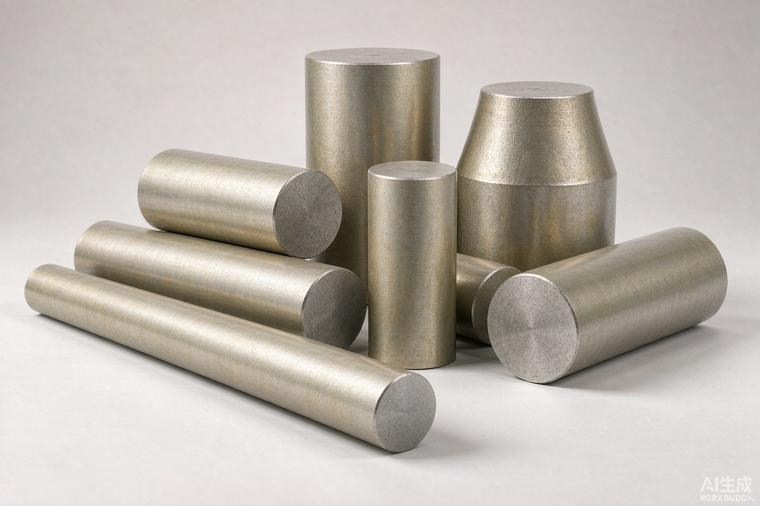
    Key Characteristics: After solution treatment and aging, the tensile strength is at least 1100 MPa and can reach the 1250 MPa level. Excellent hardenability ensures uniform mechanical properties between the core and surface of large-section forgings. Excellent forgeability. Its specific strength exceeds that of most high-strength steels, providing significant weight reduction benefits.

    Typical Applications: Large forgings for landing gear beams and struts, wing attachment fittings, helicopter rotor hubs, high-strength fasteners, and load-bearing spacecraft structures.
  • TC4(Ti-6Al-4V)

    TC4(Ti-6Al-4V)

    Material Type: α+β Titanium Alloy

    Key Characteristics: Density of 4.43 g/cm³, approximately 60% that of steel. Tensile strength of bars is at least 895 MPa. Excellent resistance to atmospheric, salt spray, and seawater corrosion. Maintains good ductility at temperatures as low as -196°C. Offers one of the best balances of overall properties and accounts for the largest proportion of titanium alloy usage in the aerospace industry.

    Typical Applications: Aircraft fuselage frames, beams, and joints; landing gear components; aircraft engine fan and compressor discs and blades; and aerospace fasteners.

Other Common Alloy Grades:

  • TC18: VT22-type titanium alloy used for large load-bearing forgings.

  • TC21: A high-strength, high-toughness titanium alloy with excellent damage tolerance.

  • TC17 (Ti-17): High strength and high hardenability, used for integrally bladed disks (blisks).

  • TA7 (Ti-5Al-2.5Sn, Gr.6): Used for medium-strength components, low-temperature applications, and corrosion-resistant parts.

  • TA19 (Ti-6242): Used for compressor components operating at 480°C. AMS 4975.

  • TC11 (Ti-6.5Al-3.5Mo-1.5Zr-0.3Si): Used for compressor disks and blades operating at 500°C.

  • TA18 (Ti-3Al-2.5V, Gr.9): Used for aircraft hydraulic and fuel tubing. AMS 4943.

  • TA1, TA2 (Gr.1/Gr.2): Commercially pure titanium used for corrosion-resistant components and sheet metal parts. ASTM B348.

  • Titanium alloys (TC4, TA15, etc.) are used for load-bearing frames, joints, and piping systems.

Specializing in the Distribution and Supply of High-End Specialty Metal Materials for Aviation and Aerospace Industries
Sichuan CentAero Technology Co., Ltd.
Quick Links
Home
About Us
Products
Contact Us
简体中文
Product Series
Specialty Stainless Steel
High-Strength Steel
High-Temperature Alloys
Titanium Alloys
Aluminum Alloys
Contact Information
0816-2682998
sczyh999@centaero.com